
1.3K
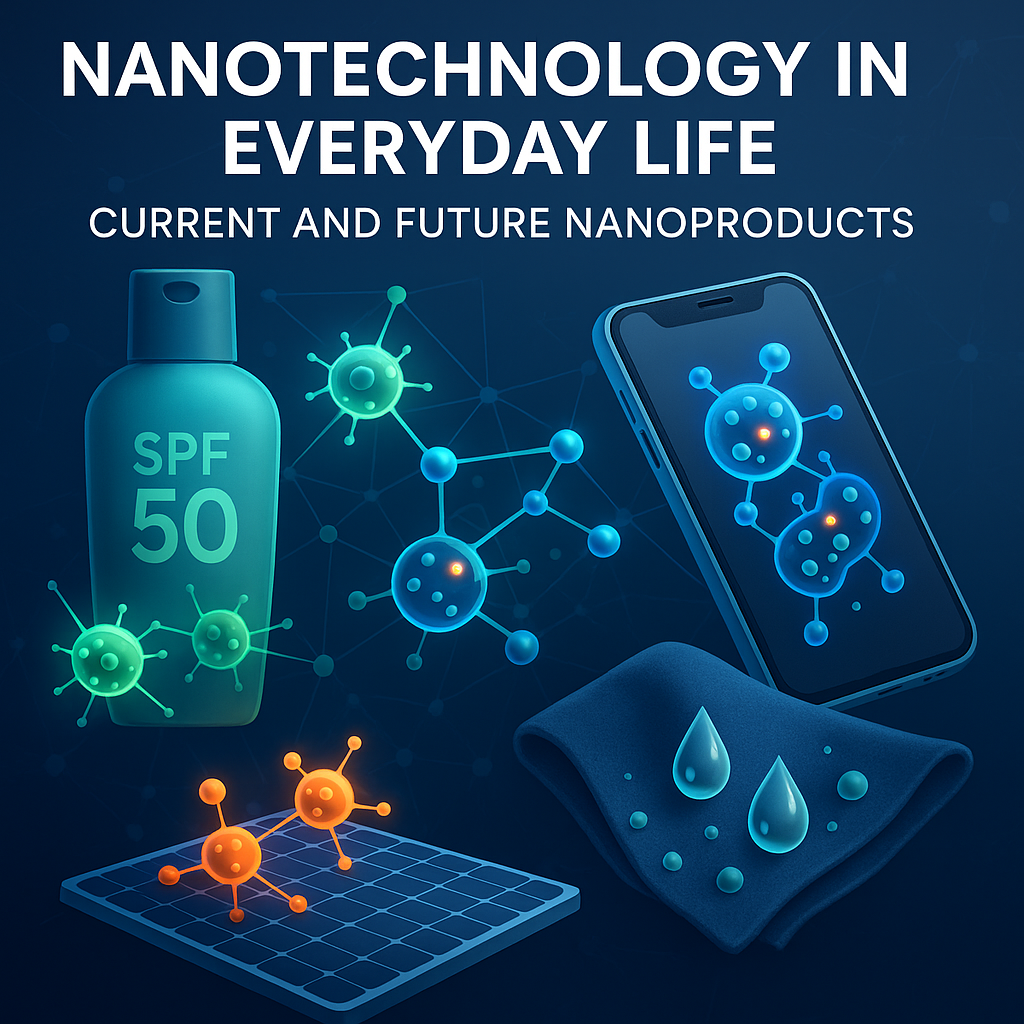
Nanotechnology in Everyday Life: Current and Future Nanoproducts
Nanotechnology, once confined to speculative fiction, has emerged as a transformative force across multiple industries. By manipulating matter at the nanoscale—one-billionth of a meter—researchers have unlocked properties previously unattainable through conventional materials. Enhanced strength, reactivity, electrical conductivity, and biological compatibility now drive innovations across healthcare, energy, electronics, and consumer products.
This article provides a detailed examination of current nanotechnology applications, evaluates their benefits and risks, and forecasts upcoming breakthroughs poised to reshape the future.
Current Nanoproducts Transforming Everyday Life
Nanotechnology has already infiltrated countless aspects of daily living, often unnoticed by the average consumer. Below, we explore critical examples of current nanoproducts, their advantages, potential drawbacks, and real-world market examples.
1. Sunscreens and Cosmetics
Overview: Nanoparticles of zinc oxide and titanium dioxide are extensively used in sunscreens, providing exceptional ultraviolet (UV) protection without the thick, white residue of traditional formulations. In cosmetics, nanotechnology facilitates improved product absorption, texture, and appearance.
Pros:
- Superior UV protection with an invisible finish
- Lightweight and smoother skincare applications
Cons:
- Potential nanoparticle penetration into deeper skin layers
- Environmental concerns related to nanoparticle runoff
Available Products:
- Neutrogena Ultra Sheer Dry-Touch Sunscreen
- L'Oréal Revitalift Skincare
2. Antibacterial Bandages and Sprays
Overview: Silver nanoparticles embedded in wound dressings and sprays capitalize on silver’s antimicrobial properties to inhibit bacterial growth, expedite healing, and minimize infection risks.
Pros:
- Broad-spectrum antibacterial effectiveness
- Extended shelf life and improved wound management
Cons:
- Overuse may contribute to microbial resistance
Available Products:
- Curad Silver Solution Antimicrobial Gel
- Smith & Nephew Acticoat Antibacterial Dressing
3. Self-Cleaning Glass with Nanofilm
Overview: Titanium dioxide nanofilms applied to glass surfaces promote self-cleaning via photocatalysis, wherein UV light triggers the breakdown of organic dirt, later removed effortlessly by rainwater.
Pros:
- Reduced maintenance and cleaning costs
- Environmentally friendly, minimal use of detergents
Cons:
- Higher initial installation costs
- Requires regular UV exposure for functionality
Available Products:
- Pilkington Activ™ Self-Cleaning Glass
4. Scratch and Wear Resistant Paints
Overview: Paints incorporating nanoceramics and carbon nanotubes exhibit superior resistance to physical abrasion, UV degradation, and chemical corrosion, significantly extending the life of coated surfaces.
Pros:
- Exceptional durability and color longevity
- Decreased need for frequent repainting
Cons:
- Increased manufacturing costs
- Challenges in recycling nanocomposite materials
Available Products:
- Nanovere ZR53 Automotive Nanocoating
5. Nanoscale Electronic Components
Overview: Nanotechnology underpins the miniaturization of electronic devices via nanotransistors, quantum dots, and nanosensors, driving unprecedented advances in computational speed, device weight, and energy efficiency.
Pros:
- Enhanced computing performance
- Compact, energy-efficient device design
Cons:
- Complex and costly semiconductor manufacturing processes
Available Products:
- Intel 7nm Processors
- Samsung Galaxy S24 Ultra
6. Stain-Resistant Clothing
Overview: Textiles treated with nano-silica or similar materials attain hydrophobic and stain-resistant properties, revolutionizing the durability and cleanliness of everyday garments.
Pros:
- Reduced washing frequency saves water and energy
- Garments retain a fresh appearance over time
Cons:
- Potential nanoparticle release during laundering
- Uncertainties regarding long-term dermal exposure
Available Products:
- Nano-Tex Stain Resistant Clothing
- Ministry of Supply Apollo Dress Shirt
7. Display Screens for Computers and Mobile Devices
Overview: Quantum dots and nano-LEDs have redefined display technologies, offering vibrant colors, increased brightness, and improved energy efficiency for smartphones, tablets, and televisions.
Pros:
- Superior color accuracy and brightness
- Lower power consumption extends device battery life
Cons:
- Elevated initial manufacturing costs
Available Products:
- Apple iPad Pro with Nano-Texture Display
- Samsung QLED TV
Future Nanoproducts: Redefining Possibilities
While current applications already signal a revolution, future nanotechnology innovations promise to exceed even today’s advancements. Below, we discuss emerging technologies that could transform healthcare, military, energy, and environmental sectors.
1. Military Lightweight Bulletproof Armor
Overview: Advanced materials like carbon nanotubes and boron carbide are being developed to create armor that offers superior protection with enhanced flexibility and reduced weight.
Pros:
- Increased soldier mobility and protection
Cons:
- High research and manufacturing costs
- Ethical concerns surrounding military escalation
Emerging Research:
2. Efficient Solar Cells for Affordable Electricity
Overview: Nanotechnology-enhanced photovoltaic cells promise significant improvements in solar energy capture, offering a path toward cheaper, more accessible renewable energy.
Pros:
- Drastically lowered cost of solar energy
- Flexible, lightweight solar panels for diverse applications
Cons:
- Environmental disposal challenges associated with certain materials
Emerging Products:
3. Nanoparticle Filters for Air and Water Purification
Overview: Nanoparticle-based filtration systems utilizing silver, graphene oxide, and zinc oxide could revolutionize global access to clean air and water, critical for both everyday life and disaster recovery.
Pros:
- Effective removal of contaminants
- Potential applications in emergency response scenarios
Cons:
- Need for safe nanoparticle containment and disposal
Emerging Products:
- NanoCeram Water Filters
4. Targeted Medicine Delivery
Overview: Nanoscale drug carriers offer the ability to deliver therapeutics directly to diseased cells, reducing systemic side effects and enhancing treatment efficacy, particularly in oncology.
Pros:
- Minimization of adverse effects
- Personalized, precision treatments
Cons:
- Regulatory hurdles and potential toxicity accumulation risks
Emerging Research:
- Moderna’s mRNA Nanoparticle Research
5. Nanoscale Sensors Implanted Within the Human Body
Overview: Implantable nanosensors capable of real-time monitoring of physiological parameters could usher in a new era of predictive and preventive healthcare.
Pros:
- Early detection of disease
- Continuous, real-time health monitoring
Cons:
- Ethical concerns regarding privacy and autonomy
- Challenges related to biocompatibility and device retrieval
Emerging Products:
Conclusion: A Future Built on Nanotechnology
Nanotechnology already permeates modern life, enabling invisible yet transformative innovations from self-cleaning surfaces to high-performance electronics and healthcare solutions. Looking forward, the horizon promises even more profound changes—lightweight armor, efficient renewable energy, life-saving medical technologies, and sustainable environmental practices.
Nonetheless, realizing the full potential of nanotechnology demands responsible stewardship, addressing environmental, ethical, and safety concerns. As research and innovation accelerate, nanotechnology will increasingly serve as the bedrock for a safer, smarter, and more sustainable global future.
You Might Be Interested In
- Nanorobots in Biomedicine and Beyond: The Nano-Scale Agents Redefining Precision Therapeutics and Technological Innovation
- The Invisible Revolution Diving into Nanoscience and Nanotechnology
- The Complete Guide to Nanotechnology and Nanoscience Education: Top Colleges, Costs, Careers, and Specializations
- Nanotech Beauty: Redefining Skincare Through Advanced Nanoparticle Imaging and Formulation Science
previous post